Facial myths have convinced many people that professional facials are pointless. This article separates fact from fiction and explains how facials actually support healthy, resilient skin when performed correctly.
Many people dismiss facial treatments as a feel-good luxury with little real value. This belief has been repeated for years, and it has created a long list of facial myths that stop people from getting genuine help for their skin. The truth is that professional facials are built on clear principles of skin biology, hygiene, and repair. They are not magic, but they are far from meaningless.
Scepticism usually comes from mixed messages online. Social media shows dramatic results that look unrealistic, while others claim facials do nothing at all. Reality sits in the middle. When performed correctly and regularly, facials support healthy skin in ways home routines often cannot.
Let us look at the most common facial myths and what you may be missing.
Myth 1: Facials are only about relaxation
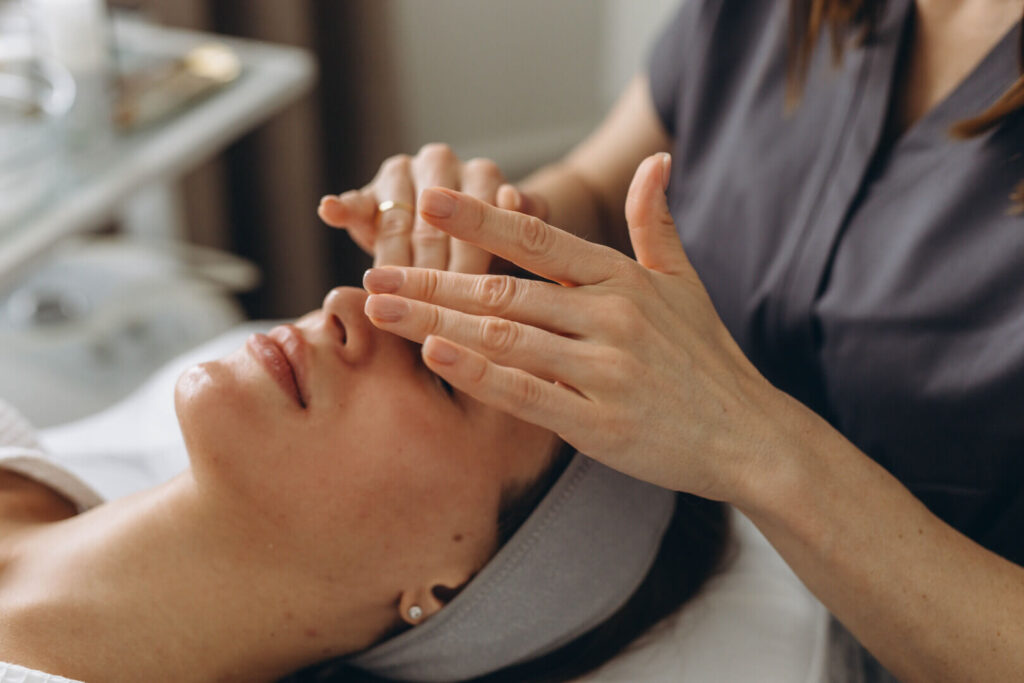
Relaxation is a pleasant part of any treatment, but it is not the main purpose. Professional facials involve deep cleansing, exfoliation, targeted ingredients, and manual techniques that change how the skin functions. These steps address congestion, dehydration, and early ageing.
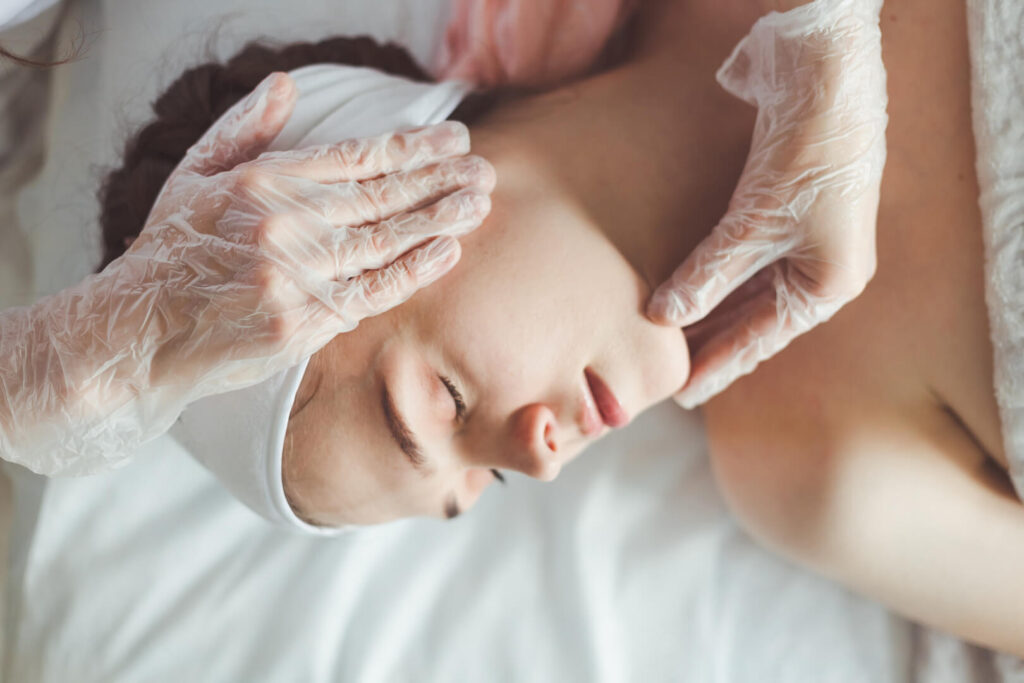
Even the relaxing elements have practical value. Massage improves circulation and lymphatic movement, which help reduce puffiness and deliver nutrients to skin cells. Calling this simple pampering ignores the physiological effects happening beneath the surface.
According to the Australasian College of Dermatologists, healthy skin relies on proper circulation, hydration, and barrier function to repair itself and maintain resilience. Professional treatments can support these natural processes when performed correctly.
Myth 2: Good skincare at home makes facials unnecessary
A solid home routine is essential, yet it has limits. Cleansers and scrubs cannot remove every layer of build-up inside pores. Most people also use products that are too harsh or not suited to their real skin type.
During a facial, a professional assesses the skin closely and uses tools and formulations not available over the counter. This deeper level of care resets the complexion and allows home products to work better afterwards. Facials and home care are partners, not competitors.
Myth 3: Facials thin the skin
This is one of the most persistent facial myths. Gentle exfoliation during a treatment does not weaken the skin. It removes only the dead cells that are meant to shed naturally. Healthy skin actually becomes stronger when old layers are cleared and hydration is restored.
Problems occur only when treatments are too aggressive or performed too often. A qualified therapist adjusts methods to protect the skin barrier rather than damage it. Proper facials build resilience instead of stripping it away.
Myth 4: Results should be dramatic after one session
Real skin improvement is gradual. Expecting one facial to erase years of sun exposure or breakouts leads to disappointment. The skin renews itself in cycles of about four weeks, so change appears over time.
After a first treatment you may notice brightness and softness. Deeper benefits such as balanced oil production and smoother texture develop with consistency. Understanding this timeline helps separate fact from exaggerated promises.
Myth 5: Facials cause breakouts
Some people experience a few spots after their first visit and assume the treatment is to blame. What usually happens is a process called purging. Blockages that were already forming are brought to the surface as the skin is cleaned.
This short phase often leads to clearer skin afterwards. A therapist can modify products to minimise irritation and guide you through the adjustment period. Avoiding facials out of fear means those hidden blockages remain untreated.
Myth 6: All facials are the same
Another misconception is that every facial follows one simple routine. In reality, treatments vary widely. Hydrating facials focus on moisture, while clarifying sessions target congestion. Anti-ageing options use ingredients that support collagen and elasticity.
The skill of the therapist determines how well a facial matches your needs. A proper consultation shapes the entire process, making each appointment different from the last as your skin changes.
Myth 7: Sensitive skin cannot tolerate facials
Sensitive skin often benefits the most from professional care. Many people with redness or irritation are using unsuitable products at home without realising it. A trained therapist can choose calming ingredients and avoid triggers.
Facials for sensitive skin focus on repairing the barrier, reducing inflammation, and teaching you how to care for your face gently. Ignoring the problem rarely makes it disappear.
Myth 8: Facials are only for women
Skin concerns affect everyone. Men experience congestion, dehydration, and ageing just as much, yet many avoid facials because they see them as feminine. Healthy skin has nothing to do with gender.
Professional treatments are practical maintenance, similar to visiting a dentist or physiotherapist. Anyone who wants to look refreshed and care for their skin can benefit.
Myth 9: You must buy expensive products afterwards
A responsible clinic will recommend only what your skin truly needs. The aim of a facial is not to push a shopping list but to improve skin health. Often a simple routine works better than a shelf full of costly items.
Good therapists explain which ingredients matter and which trends can be ignored. This guidance saves money in the long run and prevents confusion.
Myth 10: Facials are unsafe during adulthood acne
Adult acne is one of the strongest reasons to consider professional care. Extractions performed correctly reduce the risk of scarring compared with squeezing at home. Balancing masks and targeted acids calm inflammation.
Avoiding facials leaves the condition unmanaged. With a careful plan, treatments become a powerful tool for controlling breakouts.
Why these myths continue
The beauty industry is noisy. Extreme claims attract attention, while realistic information sounds less exciting. People who had one poor experience often repeat their disappointment as universal truth.
Education is the antidote. Understanding what a facial can and cannot do allows you to make sensible decisions. Treatments are not miracles, but they are effective support for everyday skin challenges.
What happens during a typical facial?
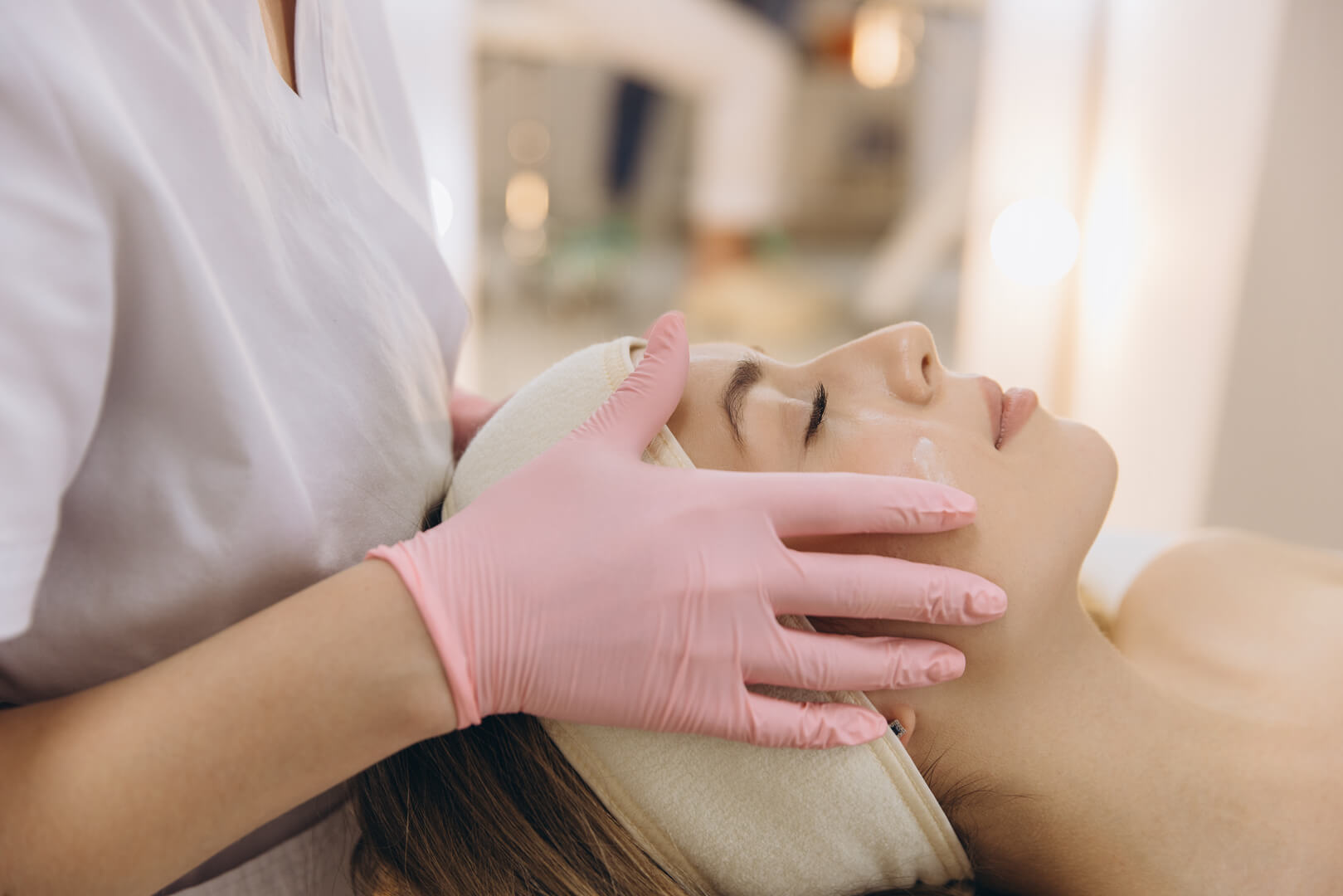
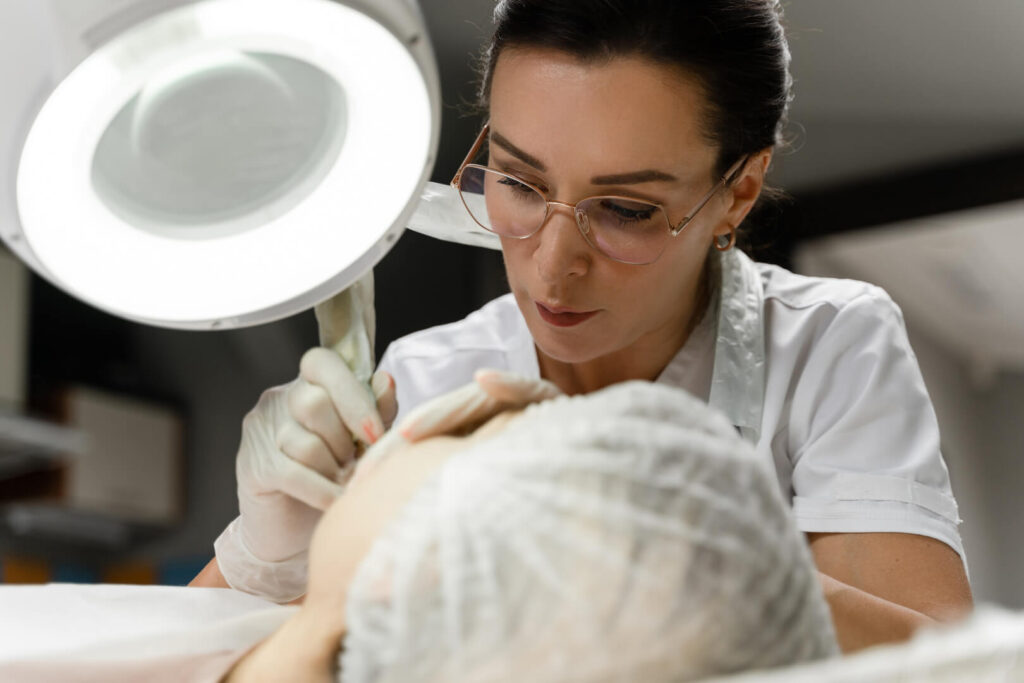
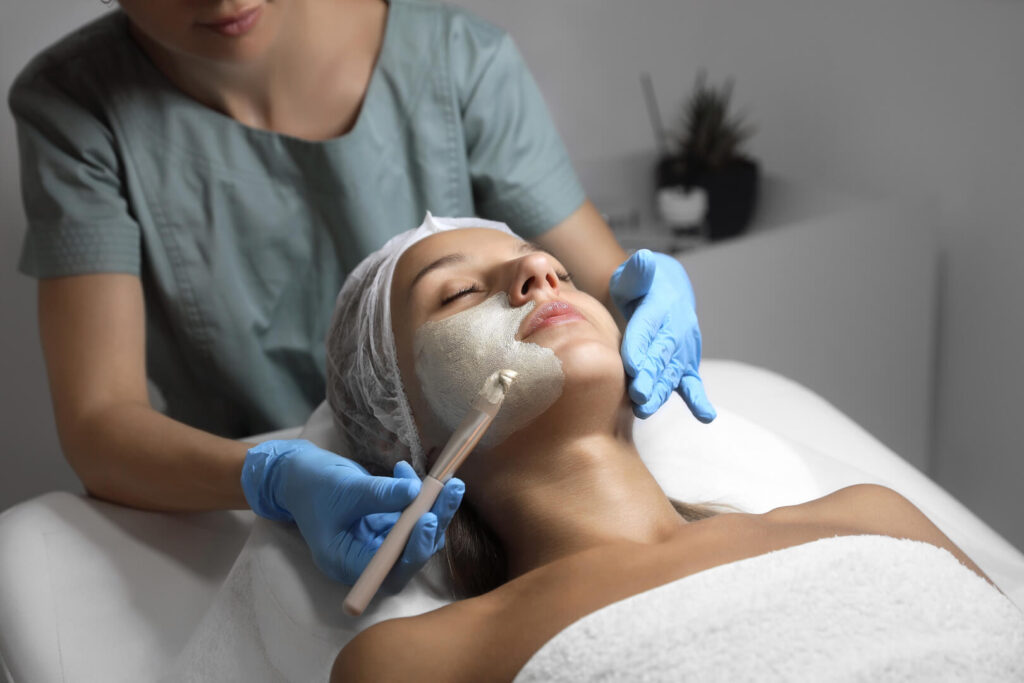
A professional session begins with conversation about your concerns, lifestyle, and history. The skin is then cleansed and analysed under good lighting. Steps may include exfoliation, steam, gentle extractions, massage, masks, and hydration.
Each element has a purpose based on how skin functions. Nothing is random. The goal is to leave the complexion balanced and comfortable, not irritated or overworked.
Signs a facial is right for you
If your skin feels dull despite regular cleansing, pores appear clogged, or makeup never sits smoothly, a facial can help. People with stressful schedules often notice improved appearance after even one session because circulation and hydration are restored.
Those who are unsure about their skin type also benefit from professional assessment. Guessing at home frequently leads to using the wrong products.
How often is realistic
Most experts suggest monthly visits to match the natural renewal cycle. This rhythm allows steady progress without overwhelming the skin. Occasional appointments before events are useful, yet true change comes from routine care.
Choosing wisely
Not every clinic offers the same standard. Look for clear consultations, hygienic environments, and therapists who explain their choices. Avoid places that promise impossible transformations or pressure you to buy large product bundles.
A trustworthy professional welcomes questions and respects your budget and comfort level.

Replacing myths with facts
Facial myths fade when you experience a well-designed treatment. The skin feels cleaner, calmer, and easier to manage. Instead of chasing quick fixes, you build a long-term relationship with your complexion.
Scepticism is healthy, yet it should be based on accurate information rather than rumours. Modern facials are practical skincare supported by knowledge of how the skin works.
The real purpose of facials
The aim is not perfection but healthier function. By supporting the barrier, improving circulation, and guiding home care, facials help your skin do its job better. Confidence grows naturally when the face looks balanced and comfortable.
Taking a fresh look
If you have avoided treatments because of the stories you heard, it may be time to reconsider. Many people who once doubted become regular clients after seeing realistic results. Breaking free from facial myths opens the door to better skin management.
We would love to welcome you for a consultation and help you build a routine that fits your life. You can speak with us at Lawla Aesthetics, and we will take care of your skin with professional facial treatments created just for you.
Book a Consultation
It’s easy and free!